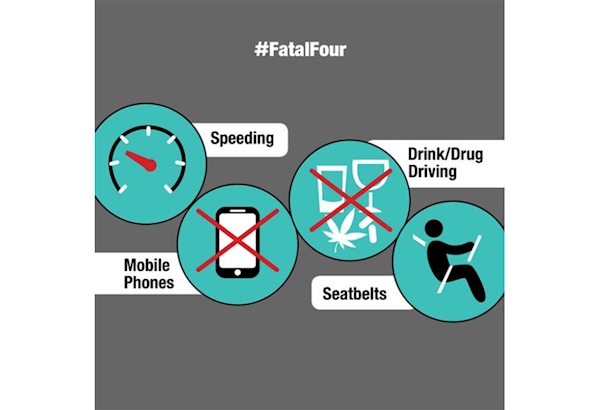
Operation Spotlight highlights the ‘Fatal Four’

Last year, more than 500 people were killed or seriously injured in road traffic collisions on our three counties roads.

Across Herefordshire, Shropshire and Worcestershire 57 people died and 517 were seriously injured, 20% of these were 17-24 years old. Common causation factors listed in these collisions include;

  • Speeding or inappropriate speed
  • Distractions, such as mobile phone
  • Driving under the influence of drink or drugs
  • Not wearing a seatbelt.

Keeping those who use our roads safe is a year-round priority and enforcing the law around these issues takes place across Herefordshire, Shropshire and Worcestershire 24/7, with road safety sitting at the heart of Police and Crime Commissioner John Campion’s Safer West Mercia Plan.

Over the next two weeks we will be supporting ‘Operation Spotlight’ a national operation across all police forces to highlight the work we do every day across our three counties to tackle these issues. A particular focus will be highlighting the impact this has on our younger road users.

Inspector Darren Godsall, West Mercia Police said: “Everyone understands the law around seatbelts, drink/drug driving and mobile phones and the importance of adhering to the speed limits. We are very clear that when using a vehicle on the roads it is your responsibility to stay safe, focused, alert and respect other road users.  The majority of people use the roads respectfully and adhere to the law but it is concerning that there are still a number of drivers and riders across our force area who don’t. Of particular concern are those road users between 17-24 years old who form a significant percentage of those killed or seriously injured. Enforcing the law on our roads is a year round, 24/7 commitment using all available resources including marked and unmarked police vehicles. We are committed to making our roads safer for all users and to target those road users who chose to break the law.

Police and Crime Commissioner John Campion said: “Too many lives are being lost on West Mercia’s roads, so it’s absolutely vital that we are doing all we can to change that sad fact. Operation Spotlight provides another opportunity to highlight the year-round work taking place – enforcing the law, educating motorists and collaborating with highways authorities to improve road engineering. By focusing on the three Es – Enforcement, Education, and Engineering – I am confident we can turn the tide on this all-too-familiar story and significantly reduce the harm being caused on our roads.”
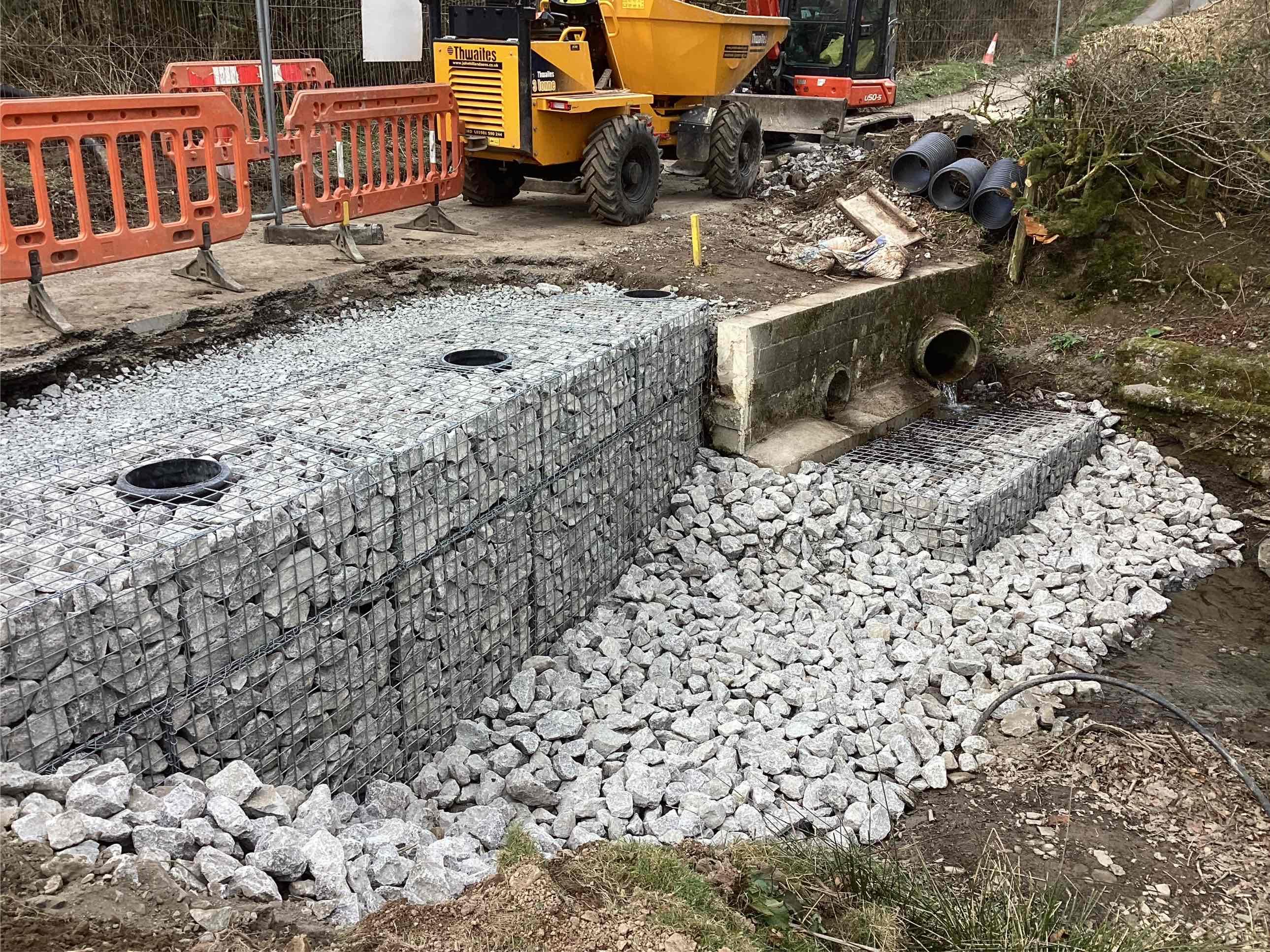
£2 Million Investment to Protect Herefordshire Communities from Flooding

Herefordshire Council has approved a £2.055 million investment over the next two years to strengthen flood resilience across the county for homes, businesses, and infrastructure in the areas most affected by flooding.

Flooding has caused widespread disruption in recent years, with over 400 properties impacted and many roads closed in 2024 alone.

The funding will support a comprehensive Flood Response Programme, delivered over 2025/26 and 2026/27, designed to reduce both the likelihood and impact of future flood events.

Work has been underway over the summer to complete formal flood investigations and identify opportunities for schemes which will provide long-term protection in areas previously affected by flooding.

The funding will deliver a mix of engineered and nature-based schemes to improve flood resilience across the county. The programme will also help communities by providing signage and monitoring technology, improving our response to flooding. In addition, specialist software will be procured to help the council plan for and manage flood events more effectively.

The investment will also be used to unlock further national grants where partnership contributions are required to access central government support. By allocating council funds, Herefordshire can demonstrate local commitment and leverage significantly larger sums from national sources.
Flood measures

Cabinet Member for Local Engagement and Community Resilience, Councillor Dan Hurcomb, said:

“This investment is about protecting what matters most, our homes, our livelihoods, and our communities.

“By prioritising the areas hit hardest, we’re making sure this funding delivers real, lasting benefits for the people of Herefordshire.”

In addition to the work supported by this funding, the council is actively progressing several other flood initiatives. These include offering drainage grants to parish and town councils, providing community flood equipment to 38 parish and town councils, and supporting them in developing their own flood plans.


Herefordshire Council warning over government funding allocation

Herefordshire Council warns that proposed changes to the way in which government funding is allocated will result in significant budget gaps in future years.

This will potentially affect services and support for residents and communities.

Herefordshire Council will face significant challenges in balancing its budget in 2026/27 and beyond if planned changes in the way government distributes funding to local authorities go ahead. The Council has found millions of pounds worth of savings for council tax-payers, while improving key services for residents. However, proposed changes could bring about real impact on communities.

Independent modelling based on the new Fair Funding Review points to a potential funding gap in 2026/27 of around £27.3 million, 11% of the council’s net budget. This will see Herefordshire’s share of national funding dropping below the average for unitary councils in England.

Despite sound financial management and controls around expenditure, the council will need to take decisive action to balance the budget in order to stay on track to deliver on its ambitious plans for Herefordshire.

Councillor Peter Stoddart, Cabinet Member for Finance and Corporate Services, said:

On behalf of our residents, businesses and communities, Herefordshire Council is deeply disappointed by the government’s proposed funding allocation model. We hope that the representations made through the consultation process will have a positive impact on the council’s funding allocation for 2026/27.

The council has a proven track record of financial discipline, delivering savings of over £40 million over the past five years while protecting frontline services and making improvements. These efforts were most recently recognised in the Local Government Association’s Corporate Peer Challenge. The potential £27 million funding shortfall will now require savings and efficiencies over twice those of previous years. And, due to the expected multi-year nature of the settlement in the autumn, this pressure could become more intense over the next three years.

To respond to these challenges, we will look to close any funding gap with combination of further savings, targeted income generation and strategic investments designed to reduce long-term costs, while improving our infrastructure, roads and opportunities for investment and skills – to help attract growth for Herefordshire – all while prioritising services that protect the most vulnerable and deliver the greatest value for money.

Without changes to the proposed formula, our estimates indicate that Herefordshire will receive a disproportionately low share of national funding, despite facing service demands as complex – if not more so – than those of other councils.

Rising demand for adult social care, SEND (Special Educational Needs and Disabilities) services and temporary accommodation, combined with the inherent disadvantages of the funding system, creates an unsustainable gap between funding and expenditure. Unlike some councils that receive government support despite financial failings, Herefordshire could be penalised for its sound stewardship of public resources.

The permanent loss of the £7 million Rural Services Delivery Grant severely exacerbates these pressures, removing a vital funding stream that supported the higher costs of delivering services across Herefordshire’s dispersed rural communities. Without this grant and with no replacement funding, the council faces an even steeper challenge to balance its budget.”

Herefordshire is disadvantaged by the way the formula considers the relative needs of its residents and how services are funded. This methodology does not take into account the additional costs of delivering services across a sparsely populated, rural county. It also relies on councils raising more income locally, particularly through council tax.

However, this approach does not reflect the reality for rural counties like Herefordshire. Property prices and the overall number of households in the county are both lower than national averages, limiting additional council tax income.

The government’s formula is also based on the average level of council tax income in England – for a band D property, which is around £2,200 – whereas households in Herefordshire pay an average of £1,969. It also assumes local authorities will increase council tax annually by 4.99%, the maximum permitted without a local referendum.

Councillor Stoddart continued:

Without reform to the funding system, rural councils like ours will continue to face systemic inequities beyond our control. However, in spite of these challenges, we are committed to delivering the best for Herefordshire in everything we do.

Published: 18th September 2025

Community Forum

Bredenbury, Wacton & Grendon Bishop

Neighbourhood Plan Renewal 2025

1st Community Forum

COME AND HAVE YOUR SAY

Saturday 27th September  10am -2pm 

(Presentation at 11am)

Bredenbury Village Hall

Refreshments available